
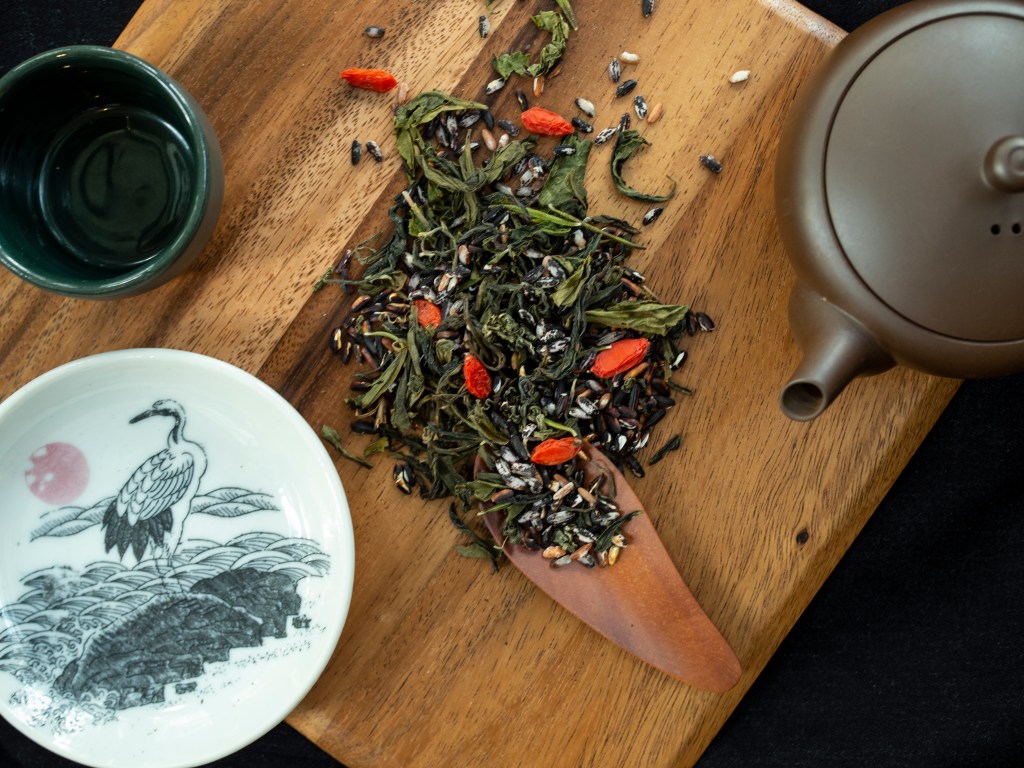
Leave the world behind,
embrace the calm
หันหลังให้เรื่องวุ่นวายในความคิด
ยินดีต้อนรับกลับสู่โลกปัจจุบัน
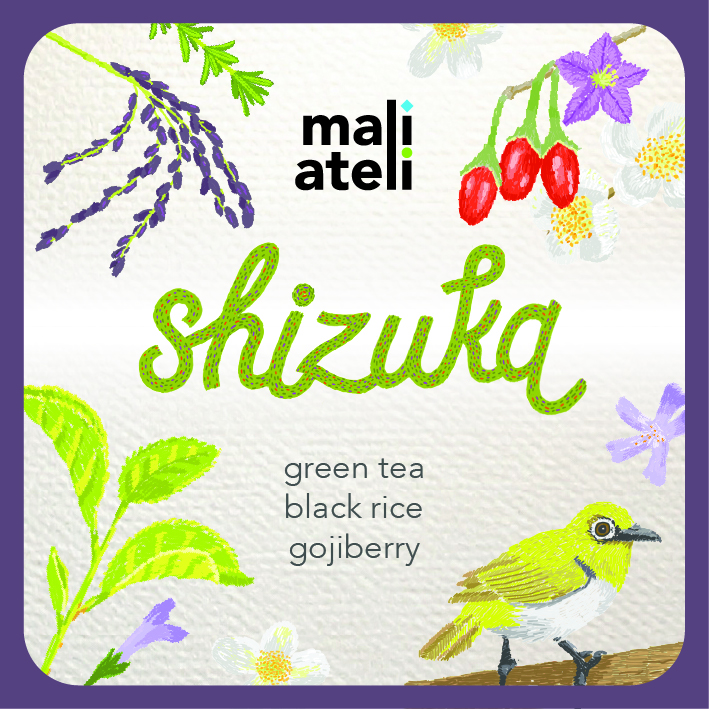
Main Ingredients ส่วนผสมหลัก
ชาเขียว
ข้าวเหนียวดำ
เก๋ากี้
Green Tea
Black Rice
Gojiberry
KNOW THE BLEND
เบลนด์นี้เป็นเบลนด์ที่เรามักแนะนำสำหรับการพักเบรกตอนบ่าย ที่มีความล้าเข้ามาสะกิด แต่ก็ยังไม่อ่วมเต็มที่เหมือนตอนใกล้เลิกงาน ด้วยฤทธิ์เดชของชาเขียวจากเชียงราย และข้าวดำจากภาคเหนือ ที่มารวมตัวกันทำให้ผู้ดื่มรู้สึกสงบจิตสงบใจ และรวบรวมสมาธิขึ้นมาได้ใหม่ โดยที่ไม่ต้องห่วงเรื่องแคลอรี่
ถ้าหากอยากเพิ่มแคลอรี่จริง ๆ เบลนด์นี้ยังไปกันได้กับขนมคบเคี้ยว อย่างข้าวเกรียบกุ้ง เซมเบ้ สาหร่ายกรอบ แต่ขอเป็นขนมขบเคี้ยวที่ไม่โรยผงจี๊ดจ๊าดจนกลบรสชาติของชาไป นอกจากนี้ ขนมไทยจำพวกขนมแห้ง ๆ อย่างขนมชั้น ขนมลูกชุบ กลีบลำดวน สัมปันนี ก็ยังเข้าได้ดี หรือขนมที่ทำจากถั่วปั้นสไตล์ญี่ปุ่น ก็ยังได้ หรือจะเป็นอาหารทำนองอุมามิจากสาหร่าย ซุปมิโสะ ก็ยังไหว ผลไม้ที่เหมาะก็จะเป็นประเภทลูกพลับ พีช มะม่วงสุก
ด้วยความที่รสชาติไม่ได้ใกล้เคียงกับชาข้าวของญี่ปุ่นขนาดนั้น จึงอาจจะต้องอธิบายให้ชัดเจนว่าไม่เหมือนกัน
This is our go-to recommendation for those afternoon breaks when fatigue starts creeping in, but you’re not completely drained like you are near closing time. The combined power of green tea from Chiang Rai and black rice from Northern Thailand helps drinkers feel calm and centered, allowing them to refocus without worrying about calories.
If you do want to add some calories, this blend pairs wonderfully with light snacks—prawn crackers, senbei, crispy seaweed—just avoid anything with overpowering seasonings that might mask the tea’s delicate flavor. It also works beautifully with traditional Thai dry sweets like Kanom Chan (steamed pandan layered cake), Look Choop (agar-coated mungbean), Shortbread cookies, or Sampanni. Japanese-style mounded bean confections work well too, as do umami-forward foods like seaweed dishes or miso soup. For fruits, think stone fruits—plums, peaches, ripe mangoes.
Since the flavor profile isn’t quite like Japanese rice tea, you might need to explain the difference clearly to set proper expectations.

INSIDE THE IDEA
ไอเดียตอนแรกอยากให้เบลนด์ใหม่นี้มีฟิลลิ่งของการดื่มชาญี่ปุ่น ประมาณว่า ใส่กิโมโนจิบชาใต้ต้นซากุระ โดยได้แรงบันดาลใจมาจาก เกนไมฉะ หรือชาข้าวของญี่ปุ่น เราอยากทำชาข้าวไทยโดยใช้ทั้งข้าวไทยและชาไทยบ้าง
ในตอนแรก ๆ ก็กังวลว่าจะต้องหาแบบที่รสเหมือนเกนไมฉะจริง ๆ ไหม ถ้าเราอธิบายไปว่ามันคือเกนไมฉะแบบไทย คนจะรู้สึกปลอมไหม
สุดท้ายก็ไม่คิดว่าต้องสนใจในจุดนั้น เรามาโฟกัสที่ผลของการดื่มดีกว่า หลาย ๆ คนบอกว่า ดื่มแล้วรู้สึกสงบขึ้น เราจึงให้ชื่อมันว่า Shizuka ที่แปลว่า “ความสงบ” โดยไม่ต้องไปสนใจว่า มันจะเป็นเกนไมฉะหรือไม่เป็น มันเป็นของมันแบบนี้นี่แหละดีที่สุดแล้ว
สิ่งที่ไม่คาดคิดในการทำเบลนด์นี้ก็คือ เราได้น้ำชาสีอมม่วง ต้องขอบคุณข้าวไทยสีดำที่ทำให้เกิดสีใหม่ล่าสุด ซึ่งเป็นสีที่ไม่ค่อยปรากฏในชาที่อื่น ในสายตาเรา Shizuka จึงถือว่าเป็นเบลนด์ที่ “ล้ำ” อีกเบลนด์หนึ่งเลย
The initial idea was to create a blend that captured the feeling of drinking Japanese tea—you know, wearing a kimono, sipping tea under cherry blossoms. We were inspired by genmaicha, Japanese rice tea, but wanted to make a Thai version using both Thai rice and Thai tea.
At first, we worried whether we needed to make it taste exactly like real genmaicha. If we called it “Thai-style genmaicha,” would people think it was fake?
In the end, we decided not to get hung up on that. We focused on the drinking experience instead. So many people told us it made them feel calm and peaceful, which is why we named it “Shizuka”—meaning “tranquility.” We stopped worrying about whether it was or wasn’t genmaicha. This blend is perfectly itself, and that’s exactly as it should be.
What we didn’t expect when creating this blend was getting this beautiful purple-tinted tea. We have Thai black rice to thank for that—it gave us this completely new color that you rarely see in other teas. In our eyes, Shizuka is definitely another one of our “cutting-edge” blends.
 Mali Ateli - Official Site